Comment

Bulletproofing Your Lower Body Part 4

In the first three parts of this series, we explored how performing exercises that your foot-ankle complex, hamstrings, and adductors can make your lower body more resilient. In the final installment of this series, let’s swing the spotlight onto the front and top of your legs and explore some ways to improve durability in this area by spending just a few minutes each week on it. 

A complaint that the majority of my clients share is that they feel excessive tightness in their anterior hip. It usually bothers them when they need to bring their knees toward their chest, such as when running, stepping, or jumping, but sometimes shows up during other athletic and everyday activities. While on the surface this seems like a mobility issue (and sometimes it is), more often than not the cause is that they’re not regularly loading their hip flexors like the iliacus and psoas or targeting the larger quad muscles and the tendons that attach to them. 

Among those who play speed/power sports, this issue can manifest itself in ligament sprains and tendon tears around the knee and in acute quad muscle strains. In endurance sports, the loads are lower but more persistent, and athletes often have chronic issues in their mid-to-high quad area. In an attempt to alleviate stiffness and soreness in this part of their legs, I often see clients stretching constantly. While this provides some immediate relief and I’m for them becoming more mobile, over-stretching plus under-loading can exacerbate the issue. 

Preparing Your Pistons

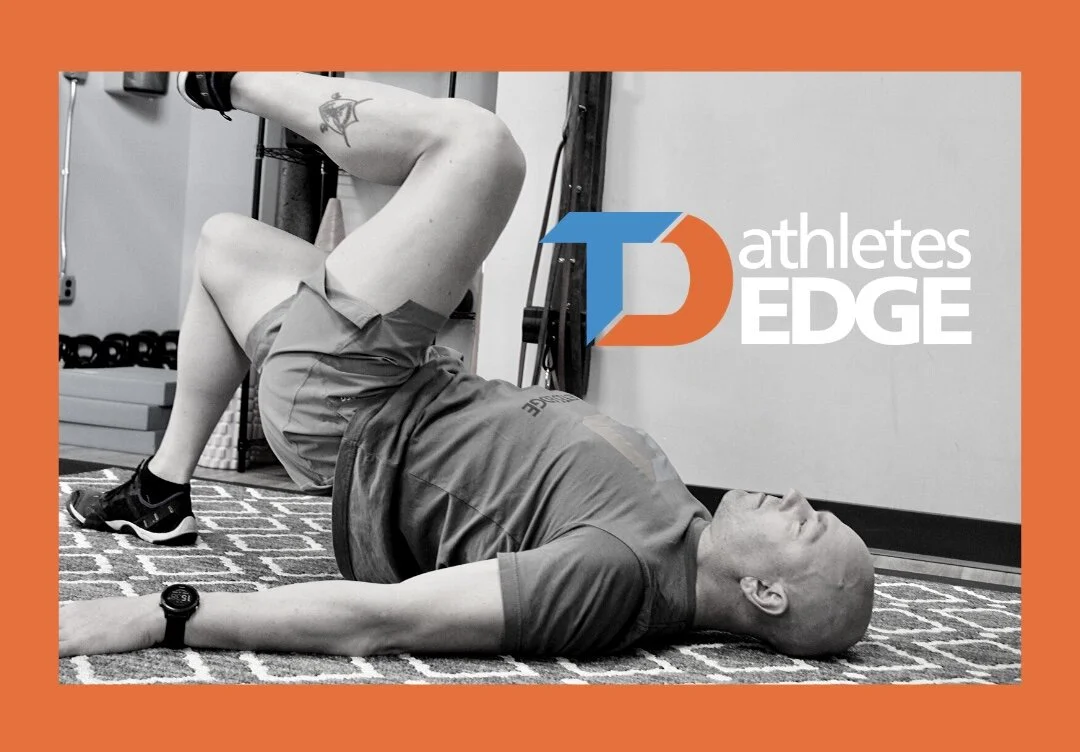
The piston action of running – and especially sprinting, where the knee lift is higher – requires you to pull one knee up as your other leg extends and pushes away from the floor. This is very taxing on the muscles and connective tissues of the upper leg, particularly on the front side. To help athletes better prepare their lower body for the rigors of running fast, I often have them lie on the ground, put a mini-band around their feet, and mimic the piston action in what I call a “sprinter exercise.” Then we progress to a long sit position, which you start as if you were sitting at a picnic with your legs out in front of you. Then you lift one leg up and over a small obstacle like a yoga block to recreate the running motion. 

Doing slow mountain climbers and certain plank variations is also useful. Getting into and maintaining a tall plank asks a lot of your quads and hip flexors as you try to prevent yourself from tipping over. There’s evidence to show that a reverse Nordic extension – which at TD Athletes Edge we call a fallback – helps improve the durability of the quads and the supporting structures that surround the knee. The starting position is the same as the Nordic hamstring curl that we detailed in part three of this series but you fall the other way instead, like Neo dodging bullets in The Matrix. A research team from the University of Vigo in Spain discovered that this exercise increased the durability of participants’ rectus femoris – one of the quad muscles – by increasing its thickness and fascial length over the course of a 12-week training program.1

Another method for emphasizing the quads is to perform a squat variation whereby you lift your heels up, which emphasizes the muscles and tissues on the front of your upper legs. You can mix up performing isometric, concentric, and eccentric exercises in all these patterns.

Safeguarding Your Quad and Patellar Tendons

As you move down the thighs, the quads turn into quad tendons and then envelope the patella (kneecap) and becomes the patellar tendon, attaching to the tibial tuberosity - that bump below your knee. attach on the tibial tuberosity – that bump below your knee. Basketball and volleyball players, triple jumpers, and other athletes whose sports involve a lot of leaping often experience chronic pain at this insertion point. To try and mitigate it, they sometimes wear a strap or band that offers compression. Stretching, icing and resting are other common tactics. Yet although these provide relief while they’re playing or practicing their activity, it’s a Band-Aid measure. 

They’d get better results from proactively loading and strengthening their quad tendons. Sadly, they often shy away from such isolation work as they’re worried that the demands of their sport are already too much for this painful area and that zeroing in on it while in the gym will merely make the issue worse. This isn’t the case, and they’d become more durable by simply performing a few isolation exercises a couple of times a week in addition to their normal lower body routine. The goal is to get the tendons back to being springy, not letting them go soggy from too little loading and too much stretching. A study released via The American Journal of Sports Medicine concluded that slow, heavy resistance training is the best way to treat and prevent tendinopathy of the patellar tendon.2 

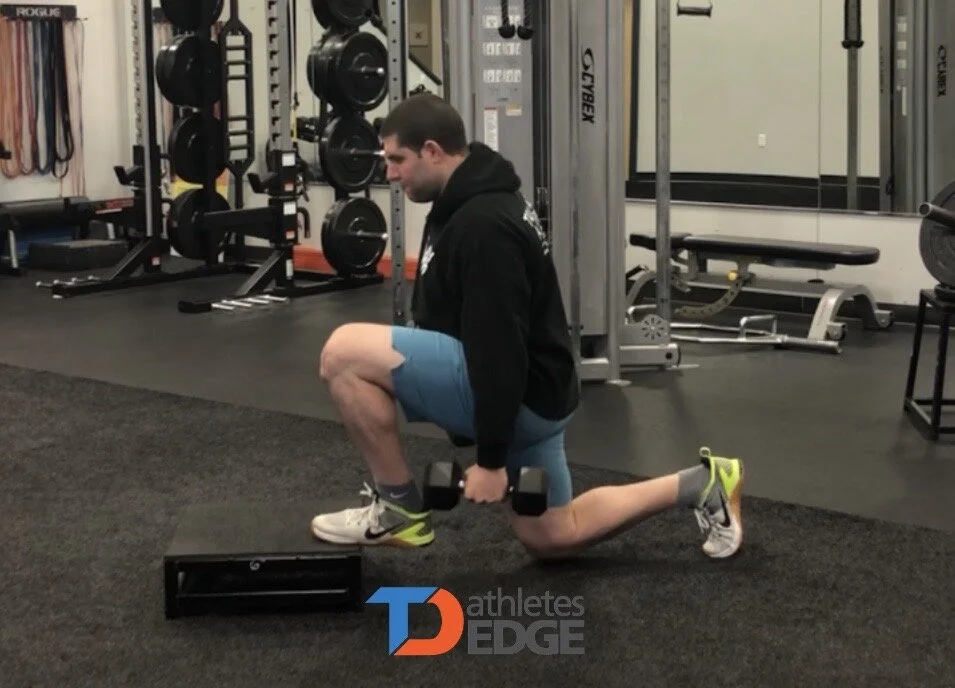
An exercise we call “the kneeler” is a great place to start loading the patellar and quad tendons. It’s also a good example of why the assertion that you should never bring your knee over your toes is merely a myth. While this might be valid for heavy lunges and some other compound, high-load exercises, there are plenty of scenarios in sports when your knees might need to go beyond your toes, if only for a few seconds. If you don’t ever get into this position in a controlled environment like the gym, it’s unlikely you’ll be able to do it safely during a game or scrimmage. Joints and connective tissues need to express their full ranges of motion if they’re to stay durable. 

Getting your knees over your toes is not going to blow up your joints. If we took this reductive way of thinking too far, we’d have to start crossing off a huge list of so-called “bad” exercises and be left with very few “good” ones. All this would do is create a mindset of exclusion, fear, and fragility. The only way for your body to remain resilient is if you use it to the full extent of its capabilities on a regular basis. And a solid starting point for this when it comes to giving your knee different looks is to expose yourself to some isolated exercises in which your knee will briefly come over your toes. 

Here are some examples of this kind of movement and others that will make your hip flexors, quads, and quad and patellar tendons more durable:

1. Mini-Band Floor Long Sprinter w/ 3s Iso

2. Mini-Band Incline Tall Plank w/ Sprinter

3. Mini-Band Slider Tall Plank w/ Alt. Sprinter

4. Seated Quad Lift w/ Hover

5. Hands Supported Kneeler

6. TRX Tall Kneel Fallback

7. Heels Elevated Wall Sit


Taking Aim at the ITB

Another part of the lower body that athletes often have issues with but infrequently work on is the Iliotibial band. The ITB runs from your pelvis along the outside of your thigh to your knee. It’s a kind of hinterland between your quads and hamstrings and excessive tightness in either or both can feed into the ITB getting stiff and sore. Yet just like with pain in the tibial tuberosity, a more common cause of ITB issues is a lack of mechanical loading. While the quads and hamstrings on the outside seam are often powerful from sporting activities and compound exercises like squats and deadlifts, they don’t see enough dedicated action to handle the load demands of what you do outside the gym. As a result, you can be left with a painful chronic condition that might seem like it’s never going to abate. 

The good news is that just like with the other muscles and connective tissues mentioned earlier, performing a few sets of ITB-centric exercises a couple of times a week could work wonders. This was demonstrated by a study published in the Journal of Orthopaedic Surgery and Research, which concluded that runners who performed ITB strengthening exercises recovered better than those who simply stretched or did regular workouts.3 Instead of just foam rolling this area – which feels good at the time but is unlikely to resolve your ITB issues – you’d do well to focus on loading this outer edge of your upper legs from several different directions. This can be achieved with exercises that involve you moving through the transverse and rotational planes. 

This is backed up by substantial evidence, including findings released in The BMJ (British Medical Journal).4 Researchers found that after a year, patients suffering from ITB syndrome who frequently targeted the area with exercise and were educated about their condition saw more improvements than those who received corticosteroid injections.  

A curtsy lunge is one of my favorite ITB movements. You can also add some resistance to side-to-side exercises. Anything that forces the muscles and tissues around the lateral hip to engage and become more tolerant of load is going to be beneficial here. Lateral walks and side planks can help you better manage the acute load of sprinting fast and the chronic load of running slow over longer distances.  

Adding glute-specific movements like loaded bridges and hip thrusts might also be beneficial. A group of exercise scientists compared one group that did such exercises for 12 weeks with another that performed phony ones that didn’t require glute activation. They found that the first group reduced their lateral hip pain, which many people attribute to ITB syndrome.5 The BMJ study mentioned earlier supported this notion, stating that lateral hip pain is often pinned on the IT band even though gluteal tendinopathy is to blame. The takeaway?  Mix in the exercises below into one, two, or three workouts a week, along with some that emphasize the outside of your glutes:  

1. Mini-Band Sidelying Straight Leg Lift


2. Mini-Band Side Plank w/ Straight Leg Lift


3. Ancore Side Plank w/ Row


4. DB Goblet Curtsy Lunge


5. Planted Curtsy Step-Down w/ Knee Drive


6. Mini-Band High Lateral Walk


Read the full Bulletproofing Your Lower Body series:

Miss part 1? Click HERE to catch up

Miss part 2? Click HERE to catch up

Miss part 3? Click HERE to catch up

1. Diego Alonso-Fernandez, Rosana Fernandez-Rodriguez, and Rocío Abalo-Núñez, “Changes in Rectus Femoris Architecture Induced by the Reverse Nordic Hamstring Exercises,” The Journal of Sports Medicine and Physical Fitness, April 2019, available online at https://pubmed.ncbi.nlm.nih.gov/30293403/. 
2. Mads Kongsgaard et al, “Fibril Morphology and Tendon Mechanical Properties in Patellar Tendinopathy: Effects of Heavy Slow Resistance Training,” The American Journal of Sports Medicine, February 12, 2010, available online at https://journals.sagepub.com/doi/10.1177/0363546509350915.
3.  Janine McKay et al, “Iliotibial Band Syndrome Rehabilitation in Female Runners: A Pilot Randomized Study,” Journal of Orthopaedic Surgery and Research, May 24, 2020, available online at https://josr-online.biomedcentral.com/articles/10.1186/s13018-020-01713-7.
4.  Rebecca Mellor et al, “Education Plus Exercise Versus Corticosteroid Injection Use Versus a Wait and See Approach on Global Outcome and Pain from Gluteal Tendinopathy: Prospective, Single Blinded, Randomised Clinical Trial,” The BMJ, May 2, 2018, available online at https://www.bmj.com/content/361/bmj.k1662.  
5. Charlotte Ganderton et al, “Gluteal Loading Versus Sham Exercises to Improve Pain and Dysfunction in Postmenopausal Women with Greater Trochanteric Pain Syndrome: A Randomized Controlled Trial,” Journal of Women’s Health, June 27, 2018, available online at https://pubmed.ncbi.nlm.nih.gov/29715073/.

Comment

Comment

Bulletproofing Your Lower Body Part 3

If you ask the average gym-goer which type of training they’re most likely to skip or sub out for something else, they’ll probably reply, “Leg day.” And even those few brave souls that like to live in the squat rack usually favor compound exercises and completely neglect isolated hamstring work. In this article, we’ll explore why you should move hamstring-focused movements back onto your priority list and also get proactive about targeting your adductors. 

Whether you’re a pro, college or high school competitor, a weekend warrior, or somewhere in between, you’ve likely felt that awful twinge in the back of your thigh that signals a dreaded hamstring strain. Or at the very least, you’ve seen someone else sustain this injury and winced along with them. If you’ve hurt this particular part of your lower body before or have a persistent issue here, then it’s likely that you don’t want to overtax your hamstrings. 

Even if you haven’t had an injury in this area, if you’ve done isolated hamstring exercises in the past, you might still remember the soreness being more intense than what you’d feel after a quad- or glute-focused session. That might be another reason that you’ve steered clear of dedicated hamstring work ever since. 

Something else I hear from a lot of clients is, “My hamstrings are so tight even though I stretch them every day.” If this sounds familiar, I’m glad you’re seeing the value in mobilizing consistently, but doing so is unlikely to fix the issue unless you’re pairing soft tissue work with increasing the tolerance of your muscles and connective tissues by mechanically loading them. Otherwise, you’ll keep chasing an imaginary tail by searching for the “perfect” hamstring stretch that doesn’t actually exist. 

Proactively Protecting Your Hamstrings

Before we take a closer look at what you can do to make your hamstrings (and, a bit later, your adductors) more resilient, let’s explore their role in athletic activities. The hamstrings play an integral part in the rapid acceleration and deceleration involved in power-based sports like basketball, football, and rugby. Though speeding up and slowing down isn’t as dramatic in endurance sports like running, cycling, and triathlon, the hamstrings are also called into action as you speed up and slow down, and even when you’re at a continuous pace just flexing and extending your knees in a normal range of motion.

If you haven’t built up your tolerance and capacity in these muscles and the tendons, ligaments, and other tissues around them, it’s just a matter of time until they’ll be overtaxed and you’ll suffer an acute injury or a chronic complaint. When your quads and glutes aren’t sufficiently developed, you might place even more emphasis on the hamstrings, increasing the likelihood of a problem developing. 

There are also occasions when you’ll find yourself caught on a single leg, whether that’s coming down from a rebound in basketball, lunging to make a tackle in soccer, or cutting laterally in football. In which case, the hamstrings receive a different load from when you’re using both legs equally (like during a squat or two-footed takeoff). This is another reason that you should include a mix of eccentric, concentric, and isometric hamstring loading in your training as part of a well-balanced plan that also emphasizes other areas of your lower body like your foot-ankle complex and quads, IT band, and quad tendons – which we’ll discuss in part four of this series. 

Evidence suggests that loading your hamstrings rather than babying them will help you reduce the incidence of future injury and the recurrence of old issues. A study split 942 Danish soccer players into two groups. The first did a 10-week progressive eccentric hamstring training program, using the Nordic Hamstring Exercise while the second just continued with their normal training. Publishing their results in the American Journal of Sports Medicine, the authors concluded that the hamstring training group suffered just 3.1 new injuries per 100 seasons, while the other participants had 8.1.1

There was an even greater disparity in re-injury rates, with the hamstring intervention group sustaining just 7.1 incidents per 100 seasons, while the other group saw 45.8 recurrent injuries. Interestingly, the players who participated in the 10-week program then reduced the number of sessions to only one per week, indicating that once you’ve increased the tolerance of your hamstrings for a while, you can then downshift to a minimum effective downshift to a minimum effective dose of the Nordic Hamstring Exercise to maintain those gains. 

The Nordic hamstring curl has become the gold standard for targeting this muscle group. While it is extremely effective – as multiple studies show – it’s quite demanding as you can see demonstrated with ease by Tyreek Hill from the Kansas city Chiefs:

Video Block
Double-click here to add a video by URL or embed code. Learn more


If you have a low hamstring training age, have never done movements that are specifically for this area before, or are tall (a longer body puts you at a mechanical disadvantage), I like to start people off with isometric exercises, some of which are ground-based, like low bridge variations and slider hamstring extenders. 

As you move through a progressive eight to 12-week program, you can introduce various loads, tempos, knee angles, and types of resistance. Building on foundational isometric holds, you can also start to add in exercises that have more of a concentric and/or eccentric emphasis. Doing so will help expose your hamstrings to the varying demands of your sport. A good place to put such movements into your training plan is on a posterior chain day. Perhaps you do some hinging – like a deadlift and/or kettlebell swing, perform a few sets of ground-based hamstring exercises, and then go to your knees or a standing position and do some more. Regular exposure to such combinations will help you overcome the initial acute and delayed onset muscle soreness (DOMS) that you might experience. 

Another element that is missing from many people’s lower body plans is sprinting. One of the most common scenarios in which an athlete will strain a hamstring is when they have to go from standing or jogging to moving fast in an instant. If this is the first time they’ve been asked to do so in a while or they’re going into camp having not done any sprint work in the offseason, they’re asking for trouble. That’s why I include sprinting from a hamstring durability perspective. If you’re an endurance athlete, you might not need to reach maximum speed very often, but doing some longer intervals at 70 to 80 percent intensity will prepare you for a sprint finish or for when you need to upshift during a race. Speed intervals should also enable you to withstand the chronic loads of high mileage with a lower risk of injury. 

Here are some hamstring exercises to augment your regular lower body programming: 


1. Elevated 1-Leg Long Bridge Iso

2. Long Bridge Iso w/ Low March

3. Slider Hamstring Extension w/ 3s Ecc

4. Slider 1-Leg Hamstring Extension w/ 3s Ecc

5. Caterpillar Bridge Walkout

6. DB Kickstand Neutral Grip RDL

7. Nordic Hamstring Drop w/ 3s Ecc


Adding Durability to Your Adductors

The adductors are another frequently overlooked lower body muscle group. Most training programs emphasize the hamstrings, quads, and glutes, while the adductors are often an afterthought at best. While technically they’re a separate entity, I like to group the adductors with the hamstrings because they function like a medial hamstring. Even back in PT school, we primarily thought about the adductors in terms of their primary function from an anatomical standpoint: bringing the leg toward the body. But they’re also called upon anytime you decelerate, change direction, or move laterally. The adductors contribute significantly to hip extension (required during springing) and if you include the gracilis can even pitch in with knee flexion. The adductors are involved in knee flexion, too, as they run from the hip all the way down to the knee. 

These secondary demands mean that you need to train more outside of the sagittal/linear plane that the majority of athletes get stuck in when in the gym. A lot of sporting movements – such as taking penalties or free kicks in soccer and step-jumping into a spike in volleyball – are also motions that happen in the same plane over and over again. You’re more likely to get left-right asymmetries and repetitive strain injuries from them if you’re not also training your body to produce and resist force in the frontal plane. That’s why side-to-side exercises can be useful when it comes to the adductors. 

Just like the Nordic hamstring curl has achieved sainthood among hamstring exercises, the Copenhagen plank has become a go-to adductor movement. There is plenty of evidence to support its efficacy, including a study published in the British Journal of Sports Medicine that found athletes who did Copenhagen planks three times a week for six to eight weeks as part of their preseason preparation were 41 percent less likely to report a groin injury during the season than those who didn’t train their adductors.2 

Going Beyond the Copenhagen Plank

That being said, the Copenhagen plank isn’t the be all and end all of adductor work, and there are other exercises that can help load this under-emphasized muscle group in different and beneficial ways. One of the easiest involves crossing one leg over the other and moving from side to side. Yes, it looks like you’re following the lead of Richard Simmons in an 80s aerobics video warmup, but it’s a good way to bring your adductors online before you progress to more demanding movements. Bridge patterns, including those that ask you to squeeze a medicine ball or yoga block between your inner thighs, can be helpful and are easy to do correctly. Side to side plyometrics like skater hops are also a great way to dynamically load the adductors, and staples like lateral lunges are effective too. 

Just like with the hamstrings’ role in sprinting, your adductors need to get used to you planting one foot and exploding in the opposite direction. When you’re required to cut or weave in your sport, it cannot be the first time you’re doing this at speed or you’re likely to run into trouble. That’s why I suggest you begin incorporating both lateral movements and single leg work in the gym one to three times a week. Even if you’re an endurance athlete who doesn’t need to explode laterally in your sport, you will be landing on one leg for a few seconds several hundred times in each session or race, so adding stability around your adductors will safeguard you from injury. 

Below are some exercises you can use to improve the durability of your adductors: 

1. Sidelying Bottom Leg Up & Over

2. Ecc Only 1-Leg Bridge w/ Squeeze

3. PVC Band Standing 1-Leg Adduction

4. DB Goblet Lateral Squat

5. Knees Bent Copenhagen Plank

6. Copenhagen Plank w/ Lift


Check back soon for part 4 in the Bulletproofing Your Lower Body series. 

Miss part 1? Click HERE to catch up.

Miss part 2? Click HERE to catch up.

1. Jesper Petersen et al, “Preventive Effect of Eccentric Training on Acute Hamstring Injuries in Men's Soccer: A Cluster-Randomized Controlled Trial,” American Journal of Sports Medicine, August 8, 2011, available online at https://pubmed.ncbi.nlm.nih.gov/21825112/. 
2. Joar Harøy et al, “The Adductor Strengthening Programme Prevents Groin Problems Among Male Football Players: A Cluster-Randomised Controlled Trial,” British Journal of Sports Medicine, February 2019, available online at https://pubmed.ncbi.nlm.nih.gov/29891614/.


Comment

Comment

Bulletproofing Your Lower Body Part 2

If you watch SportsCenter, you’ll probably agree that the worst part of the broadcast comes when the highlights show one player stepping on another’s foot and rolling their ankle. This is particularly jarring if you’ve had your own injury issues in the past, as you’ll probably get that horrible feeling that you know all too well as you watch the injured athlete limp off the court or field. 

You’re far from alone. According to a 10-year study of NCAA basketball published in the Orthopaedic Journal of Sports Medicine, “An ankle ligament sprain is the most common injury in high school and collegiate athletics, accounting for 22.6% of all injuries.” The authors went on to state that this is the most prevalent injury among male and female basketball players1. Participants in certain other sports are even more susceptible to ankle-foot complex issues. A review of 11 studies published in the Journal of Sports Science & Medicine found that 26 percent of running injuries occurred in this area2.  

So what is it about this area of the body that makes it particularly vulnerable? The NCAA study identified frequent changes in direction, contact with other players (particularly when coming down from a rebound), and frequent jumping and landing as the chief culprits in basketball. The forces involved in such movements subject players to high and acute loads on their lower legs and feet, whereas in a sport like running, the loads are lower but more persistent as the activity typically lasts for longer and there are more foot strikes involved. 

In both cases, you should be able to avoid or at least significantly reduce your chances of injury if the support structures in your ankles, feet, and calves are strong and resilient enough. But if the force applied exceeds your ability to tolerate it, you could sustain an injury like a ligament sprain or muscle strain or develop a chronic condition like plantar fasciitis or Achilles tendonitis. Of course, contact-related issues are sometimes unavoidable, but we can at least prepare your body to better handle them. Let’s zoom in on this part of your lower body and explore some strategies to improve its durability. 

Building Higher Tolerance in the Lower Leg

Regardless of what sport you play and which daily activities you choose, your legs and feet will bear the brunt of the forces you put into the ground and those that come back from the environment you’re moving through. When I first started considering the lower body zones that athletes need to strengthen and safeguard, I recognized that we have to work from the floor up, which means starting with your feet, ankles, and calves. This zone includes the plantar fascia, foot bones (there are 26 in each foot), Achilles tendon, tibia and fibula, ligaments and tendons that insert at the ankle, and muscles like the gastrocnemius and soleus. 

Depending on the type of athlete you are, you need to prepare your body by loading all these structures in different ways. If you play a power sport like basketball, football, or rugby, we’ve got to get you ready for the jumping and landing, cutting, and sprinting that you’ll be doing on the court or field. Or if you’re a runner, we have to take into account the cumulative impact of thousands of foot strikes over a longer duration using a more linear motor pattern. 

If you’re in that first category, you’re going to need to generate large amounts of power explosively and then resist the counteracting force that your lower legs are subjected to when you decelerate, land, and change direction. So we’re going to include quite a lot of plyometrics to stimulate the demands of practices and games on your lower legs. You’ll also be doing a low number of reps with a higher load. 

Whereas if you’re more of an endurance athlete, you will benefit from some plyometrics but won’t need to do as much in this area because the requirements of your sport involve lower power production. Yet as you’ll need to sustain this for longer, you should be doing a higher number of repetitions in each set (sometimes up to 40-50) and in total. Your loads might be a bit lighter, but you will still benefit from resistance training with moderate weight. 

Knees Bent vs. Knees Straight

Taking our thought progression a little further, we also need to consider what position your legs are in when they apply and resist force during your sport. In basketball, if you’re going up to try and grab a rebound, you probably bend your legs a little before leaping upward. Alternatively, if you’re coming over from the weak side to try and block a shot, you likely get into a deeper squat and swing your arms more. So we need to get your lower leg tissues used to maintaining stability in both bent and almost straightened knee positions. If you’re a runner, your knees bend a little but not much (though this might vary a bit depending on your gait and when you're running faster over shorter distances, you’ll probably bend your knees more). So we should focus our efforts on exercises that mimic this pattern and the increased load on your gastrocnemius and soleus. 

If you’re in that power athlete category, you should regularly include eccentric loading in your program to get your body ready for game time. Given your need to jump and land multiple times, alter direction, and toggle between running fast and slow (acceleration and deceleration), you’d do well to combine this eccentric loading with concentric work.

For example, if you’re a basketball player, I might have you do a seated kettlebell raise (where the weight is resting on your knee) in an explosive way that’s like jumping rope while sitting. We call it the pogo. But if you’re a runner, I’d ask you to perform the same exercise more slowly without the bouncing action, and you’d do more reps – maybe as many as 30 or 40 per set – while taking three seconds to lower your active leg at the end of each one. Both exercises are targeting the soleus in a knees-bent position, but we’re taking into account the specific demands of your sport in how we dose and deliver the load. 

DB Seated Heel Raise w/ Cont. Bounce


DB Seated Heel Raise w/ 3s Iso


Taming the Achilles Tendon 

The Achilles tendon is one of the lower leg structures that gets the most attention because if you suffer a partial or complete rupture, you’re looking at nine to 12 months on the sidelines. It is also susceptible to overuse, which manifests itself as painful tendonitis or tendinopathy. Doing isolated resistance exercises a couple of times a week also makes this key connective tissue more durable.

Rather than babying it, we’ve found that the Achilles – and tendons in general – responds well to high-load exercises. A study published in the American Journal of Sports Medicine found that participants who suffered from Achilles tendinopathy saw greater improvements after training with heavy loads for 12 weeks3. 

It’s also beneficial to blend eccentric and concentric loading. For several years, S+C coaches and PTs focused on isometric work, but with the benefit of more practical experience and research-driven insights, this is no longer the gold standard. With this in mind, you don’t need to be doing a lot of long holds to strengthen your Achilles. Rather, as your load tolerance increases, you’ll be able to progress through slower loaded exercises and into the greater forces created by plyometrics. 

Taking a 360-Degree View

The Achilles is an example of one of the structures that runs up the back (or posterior) side of your lower legs. This is also where the gastrocnemius and soleus reside. While it’s this seam that gets the most attention, we also need to consider the tissues that act as guidewires around your whole lower leg. For example, the posterior tibialis that runs down the inside of the lower leg. We can hit this with a heel raise variation in which you squeeze a tennis ball between your heels as you rise up. 

Reducing your risk of an ankle sprain and other lower leg injuries also necessitates conditioning the tissues on the sides of your calves. A great way to emphasize the peroneal muscles (outside of leg) as well as the tibialis anterior muscle along the outside of the shin is to duck your feet out, put your weight on your heels, and walk like a penguin. Another way to use a wraparound approach is to move a weight around your body while you’re standing on one leg. This way, you’re not just working on “balance” per se (which typically just makes you better at the balancing exercise itself) but also enhancing your proprioception – in other words, where your body is in three-dimensional space.

Stationary Penguin


DB 1-Leg ATW Tap


Athletes often don’t realize this, but they frequently get stuck on one leg in their sport while having to resist force from contact (think about a football player catching a long pass or a runner adjusting to avoid tripping on a curb when they step awkwardly).  If we can hit the front, back, and sides of your lower legs, you’ll be able to move powerfully and safely in all planes of motion with greater confidence.  

Check back soon for part 3, in which we’ll show you how to improve the durability of your hamstrings and adductors. 

Miss part 1? Click HERE to catch up.

1. Sailesh V. Tummala et al, “10-Year Epidemiology of Ankle Injuries in Men’s and Women’s Collegiate Basketball,” Orthopaedic Journal of Sports Medicine, November 5, 2018, available online at https://www.ncbi.nlm.nih.gov/pmc/articles/PMC6240983/. 
2. Peter Francis et al, “The Proportion of Lower Limb Running Injuries by Gender, Anatomical Location and Specific Pathology: A Systematic Review,” Journal of Sports Science & Medicine, March 2019, available online at https://www.ncbi.nlm.nih.gov/pmc/articles/PMC6370968/. 
3. Rikke Beyer et al, “Heavy Slow Resistance Versus Eccentric Training as Treatment for Achilles Tendinopathy: A Randomized Controlled Trial,” American Journal of Sports Medicine, July 2015, available online at https://pubmed.ncbi.nlm.nih.gov/26018970/.

Comment

Comment

Bulletproofing Your Lower Body Part 1

Whether you play a sport that emphasizes jumping/landing, linear acceleration/deceleration, or endurance, you can find plenty of tailored training programs. But while the skill component and capacity demands of your activity are unique, there are a lot more commonalities in what your body is required to do from the hips down than many people are willing to admit. 

In preparing athletes to perform in all sports and at every level, I’ve come up with six zones that must be loaded and targeted in your training if you want to become a more resilient athlete. In this first installment of a four-part series, we’ll explore some of the common roots of lower body durability problems and then provide targeted exercises that will help you reduce the risk of acute and chronic issues in all of these zones. 

Building a Firm Foundation

If you’re a basketball or volleyball player, you’re subjecting your lower body to high loads in acute events like leaping, landing, cutting, and changing direction. Or if distance running is your thing, your legs have to absorb smaller forces during each foot strike over a longer period of time. Sports like soccer land somewhere in the middle. The frequency, duration, and loads are different and body types vary, but there’s a major similarity: your load-bearing structures must act as support beams that withstand the demands of your sport. 

Regardless of what you’re preparing to do, you need braces and beams that will hold up while you create and resist force. And according to multiple studies, including one from a team of Danish researchers who noted how collagen synthesis and overall tendon health increases in response to resistance training, the best way to increase the resilience of this scaffolding is by frequently performing load-bearing exercises1.

The problem is that many athletes’ training fails to reflect this reality. How often have you thought, “I’m going to train today to get my bones, ligaments, and tendons stronger”? I’m guessing never. Instead, what people think about when they go to the gym is developing their muscles or burning calories by getting sweaty. This creates a huge blind spot that omits one of the major benefits of resistance training. Perhaps if you were to reframe the purpose of your workouts, it would make it easier for you to show up and stay consistent during the dog days of your competitive calendar when you’re feeling tired and worn down. 

While upper body injuries occur in every sport, it’s the lower body that’s particularly susceptible in many sports. For example, a study released via Sports Health noted that between 58 and 66 percent of all basketball injuries are to the lower limbs, including traumatic incidents like sprains and overuse ones such as stress fractures and tendinopathy2. According to a paper published in The American Journal of Sports Medicine, 41 percent of NFL players sustained a lower extremity injury over the course of an average season3. 

You might think that a non-contact sport would be safer but in fact, 73 percent of female and 62 percent of male runners surveyed by researchers from Wake Forest University sustained at least one lower body injury over the course of two years and 56 percent were injured more than once4. Given how high these rates are, we need to find ways to help increase your durability and reduce your chances of getting hurt. And it all starts by building a strong base from the ground up. 

Surviving Spikes in Intensity, Density, Load and Frequency

If you suffer an acute injury or start struggling with a chronic condition like tendinopathy, troubleshooting it tends to lead in a lot of directions that fail to provide an adequate solution. There’s a lot of finger pointing at overtraining, under-recovering, and playing too many games, yet while some athletes fall into these traps, a common culprit often flies under the radar. A well-balanced training regimen will include sufficient opportunity to recover, repair, and reload, but the see-saw shouldn’t be tipped too far in this direction. In fact, too much rest paired with inadequate loading can lead to your tissues becoming slack and even atrophying.  

Something I saw firsthand when I was with the Lakers and continue to encounter with athletes today is that there were three high-danger periods during the year when durability issues surface more often. Typically, people break down when there are spikes in load, frequency, intensity, or density (or all of these together) that their body is unprepared to handle because they haven’t loaded their tissues to the point that they can tolerate such spikes. 

The first inflection point occurs during pre-season camp, when coaches often hold two-a-day sessions and push their players’ conditioning to the limit. If you make it through camp unscathed, it’s probably because you worked hard in the offseason and readied your body for the rigors it was about to be exposed to. But unfortunately, this alone doesn’t guarantee that you’ll get through the rest of the season without injury. 

The second spike occurs when the competitive season commences. Even the best training plan is only a simulation of game time, and when that first whistle blows, the demands on your body will inevitably go up. Unfortunately, this is precisely when a lot of athletes back off their resistance training. This might be because they believe that their lower body is being taxed enough by their sport itself, or that they’re feeling weary from playing hard. So they dramatically cut back their resistance work or stop it altogether. The trouble is that this stage of the season is the time that your body needs to be at its most durable because you're asking so much of it. 

The players who continually improve throughout a season are those who refuse to take their foot off the gas. Sure, they’re as tired after a long practice, a race, or an overtime game as everyone else, but they understand the need to keep going into the gym and putting in the work. Think of your physical resilience as a bucket with a couple of small holes in the bottom. Even if you filled it up with diligent daily training during the offseason, over the course of the year, it’s going to slowly drain away, so you need to keep topping it off. 

Suppose you make it through the regular season without getting hurt. Great! Before you give yourself too much kudos, realize that the third danger zone is just around the corner. When your team makes the playoffs, the intensity of each contest will go up, you might have to play at a high level throughout several series, and you’ll have to contend with the rigors of travel and back-to-back games. Or if you’re a track athlete who makes it to regional, state, or national meets, you might have to perform in a heat, semi-final, and final. Again, the spike in intensity, density, and frequency will put your lower body’s durability to the test. Continuing to keep your load capacity high with regular and targeted resistance training is the best way to pass. 

A Durability Roadmap

Recognizing that you’re going to be faced with at least two of these three spikes during your upcoming season, you need to put a plan in place to successfully get through them unharmed. To help you do so, I’m going to spend the rest of this article series explaining the six areas of your lower body that bear the greatest burden, and some of the common issues that athletes encounter with each. I'll also investigate what type of mechanical loading each zone responds best to and guide you through exercises that mimic the movement patterns you’ll be performing in your sport. The goal is that when you hit the road, court, or field, your lower body will be ready to handle whatever your coaches and opponents throw at you. 

Check back soon for the next three parts in this series, starting with how you can improve the resilience of your foot and ankle complex in part two. 

1. M Kjaer et al, “From Mechanical Loading to Collagen Synthesis, Structural Changes and Function in Human Tendon,” The Scandinavian Journal of Medicine & Science in Sports, August 2009, available online at https://pubmed.ncbi.nlm.nih.gov/19706001/.
2. Jeffrey B. Taylor et al, “Prevention of Lower Extremity Injuries in Basketball,” Sports Health, September 2015, available online at https://www.ncbi.nlm.nih.gov/pmc/articles/PMC4547118.
3. Christina D. Mack, Richard W. Kent, and Michael J. Coughlin, “Incidence of Lower Extremity Injury in the National Football League: 2015 to 2018,” The American Journal of Sports Medicine, June 2, 2020, available online at https://journals.sagepub.com/doi/abs/10.1177/033546520922547.
4. Stephen P. Messier et al, “A 2-Year Prospective Cohort Study of Overuse Running Injuries: The Runners and Injury Longitudinal Study (TRAILS),” The American Journal of Sports Medicine, May 23, 2018, available online at https://journals.sagepub.com/doi/abs/10.1177/0363546518773755.

Comment

MOBILITY FLOW: BODYWEIGHT EXERCISES

Comment

MOBILITY FLOW: BODYWEIGHT EXERCISES

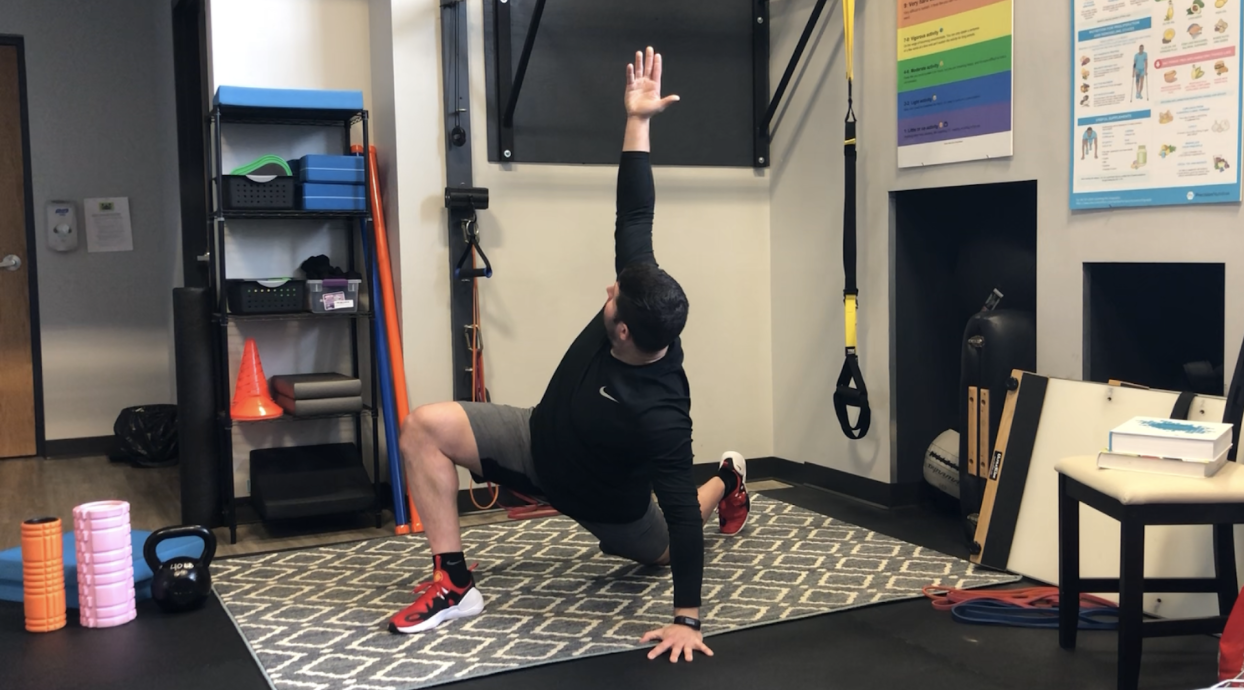
There's a reason that yoga has been around for centuries. While I am definitely respectful of professional yoga teachers, I am certainly not posing to be one. However, I am saying that adding in some mobility flow sequences here and there can provide benefit to your body.

Comment

HOW TO LIFT WEIGHTS WITHOUT DUMBBELLS OR BARBELLS

Comment

HOW TO LIFT WEIGHTS WITHOUT DUMBBELLS OR BARBELLS

It’s a bit concerning to suddenly not have access to dumbbells, barbells, or other common gym equipment. It can feel impossible to figure out how to match some of the external loads that a 50-85 lb dumbbell or 135-225 lb barbell provides if you’re used to that when you go to the gym.

Comment

THE BENEFITS OF BODYWEIGHT RESISTANCE EXERCISE

Comment

THE BENEFITS OF BODYWEIGHT RESISTANCE EXERCISE

If you’re struggling to find a new workout routine because your gym was closed and you don’t have much equipment at home, you’re not alone. Knowing that you’re not alone should help. Facing a big challenge is scary, but when you have support from others in the same circumstance, it can become a bit more manageable.

Comment

HOW TO PREPARE FOR YOUR BEST SKI SEASON EVER

Comment

HOW TO PREPARE FOR YOUR BEST SKI SEASON EVER

I have a question for you: Would you run 5 miles as hard as you can on rough terrain after having been on a hiatus from running for 8-10 months? Probably not. Next question: If you did do that, would you expect your body to feel great during and in the days after? Probably not.

Comment

COMPLETE BREAKDOWN: DECELERATION AND LANDING FOR ATHLETIC DEVELOPMENT

Comment

COMPLETE BREAKDOWN: DECELERATION AND LANDING FOR ATHLETIC DEVELOPMENT

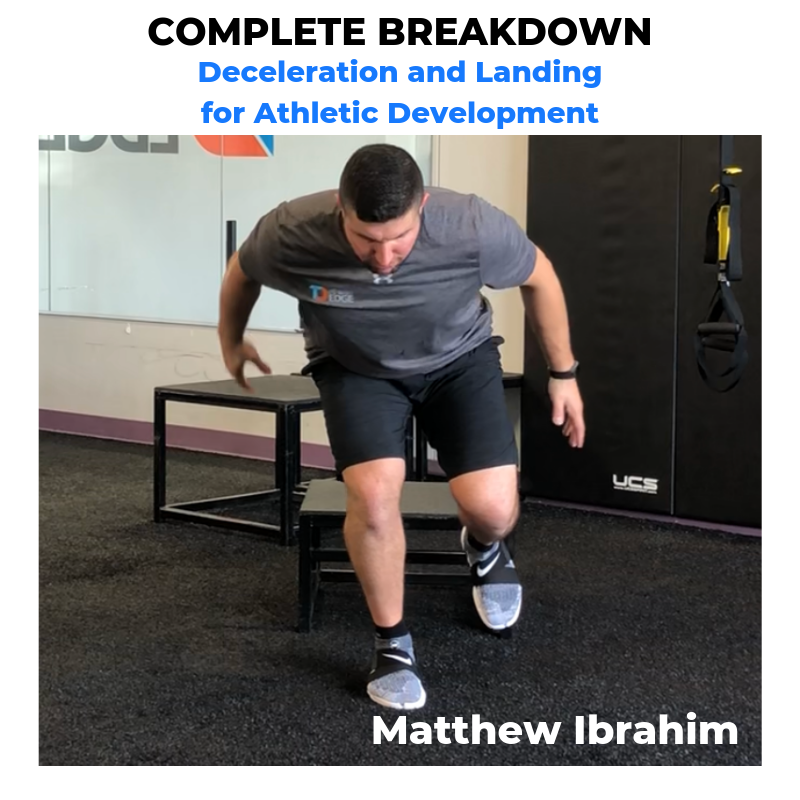
Learning how to slow your body down (decelerate), harness body control and pump the brakes in key athletic positions all serve as necessary skills to truly excel in sports and athletics. It comes as no surprise that proper landing mechanics and deceleration techniques also serve as valuable skills to build a resilient and robust frame of athleticism. An additional component to note is the skill of feeling the ground beneath you, which is pivotal for long-term health and performance.

Comment